
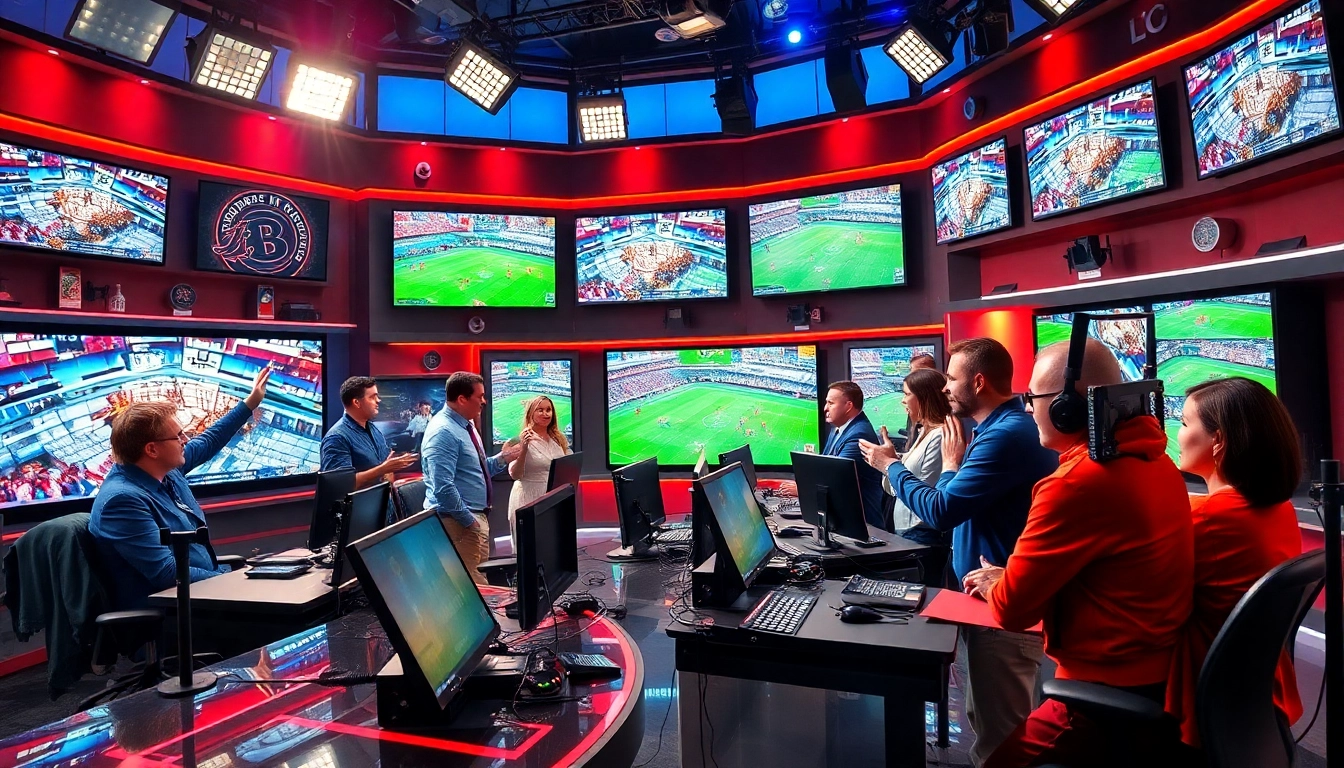
Introduction to Sports Broadcasting
Sports Broadcasting has emerged as a vital medium connecting fans with their favorite sports in real-time. This genre of broadcasting encapsulates the thrill of live sports events, providing audiences with a front-row experience. As the landscape of sports consumption evolves, an understanding of Sports Broadcasting becomes essential for both industry insiders and casual viewers. In this article, we will explore the complexities and dynamism of this field, outlining its evolution, key players, various types of broadcasting, best practices, challenges, and future trends.
Understanding the Role of Sports Broadcasting
Sports Broadcasting plays a crucial role in shaping fan experiences and influencing sports reach. It serves not only as a means of entertainment but also as a platform for storytelling, allowing broadcasters to highlight the emotions and narratives that unfold during sporting events. This medium brings to life the sweat, struggle, and triumphs of players, creating a deep connection between teams and their followers. Moreover, with the addition of advanced technology, the role of broadcasting has expanded beyond mere play-by-play commentary to include expert analysis, post-game insights, and interactive viewer engagement.
Evolution of Sports Broadcasting
The journey of Sports Broadcasting began in the early 20th century, with radio broadcasts capturing the essence of sporting events. As technology advanced, television became the primary medium, offering audiences visual engagement. The introduction of color TV in the 1960s and the advent of cable networks further revolutionized viewing experiences. In the 21st century, the rise of digital platforms has transformed Sports Broadcasting into a more interactive and on-demand service. Today's fans expect instant updates, highlights, and the ability to consume content across various devices, reshaping how networks and platforms approach content delivery.
Key Players in Sports Broadcasting
The sports broadcasting ecosystem consists of various stakeholders, each contributing to the delivery of sports content. Content creators range from large broadcasting networks to independent digital channels, each vying for audience attention. Sports leagues such as the NFL, NBA, and FIFA negotiate valuable broadcasting rights, determining how and where games are aired. Additionally, digital platforms like streaming services have introduced new competitors, compelling traditional networks to adapt and innovate in their broadcasting strategies.
Types of Sports Broadcasting
Live Event Coverage
Live event coverage is the cornerstone of Sports Broadcasting. This format delivers real-time action directly to the audience, fostering excitement and engagement. Comprehensive coverage includes various aspects such as pre-game shows, live commentary, player interviews, and post-game analysis. Moreover, new camera technologies and commentary techniques have made it possible to enhance viewer experience, offering a more immersive way of following the action.
Sports News and Analysis
In addition to live events, sports news and analysis segments play a significant role in informing and engaging audiences. These features provide updates on player injuries, trades, game previews, and analysis of game strategies. Engaging sports analysts can discuss trends and provide informed opinions, fostering deeper conversations around the sport. Programs dedicated to news and analysis have become essential for fans who seek more than just the gameplay, wanting to understand the underlying strategies and mechanics of sports.
Digital Streaming Platforms
The rise of digital streaming platforms has transformed how sports content is consumed. Services such as dedicated apps and subscription channels have altered the traditional broadcasting landscape, allowing fans to watch games live on-demand. This shift has led to increased competition among providers, resulting in innovative content offerings and delivery methods. Streaming platforms often appeal to younger demographics who prefer accessibility and flexibility, changing sports broadcasting dynamics.
Best Practices in Sports Broadcasting
Engaging Your Audience
Engagement is critical in ensuring viewer retention and satisfaction. To capture attention, broadcasters should leverage storytelling techniques that resonate with viewers' emotions. Incorporating interactive elements like polls and fan questions during broadcasts can also enhance engagement. Utilizing social media to connect with audiences allows for greater interaction, fostering a sense of community around sports events. Regularly gathering feedback can help broadcasters tailor content to audience preferences, thereby enhancing viewer experience.
Utilizing Technology and Innovation
Technology has dramatically influenced the landscape of Sports Broadcasting. High-definition cameras, drones, and advanced graphics have elevated the quality of visual storytelling. Incorporating augmented reality (AR) and virtual reality (VR) experiences can provide fans with unprecedented ways to engage with their favorite sports. Broadcasters should keep abreast of emerging technologies and adapt them into their strategies to stay relevant in an ever-evolving industry.
Ethical Considerations in Broadcasting
Ethics in Sports Broadcasting encompass various critical areas, such as fairness in representation, responsible reporting, and maintaining authenticity. Broadcasters should prioritize honesty and accurate reporting to foster trust with their audience. They must also navigate complex scenarios, such as addressing sensitive topics or controversies within the sports world. An ethical approach to broadcasting will not only enhance credibility but also elevate the overall standards of the industry.
Challenges in the Sports Broadcasting Industry
Competition with Emerging Platforms
The Sports Broadcasting industry faces fierce competition from emerging platforms, particularly streaming services that promise a more personalized viewing experience. Traditional broadcasters must navigate the challenge of sustaining viewer loyalty amidst a plethora of choices while innovating their offerings. As platforms diversify their services, broadcasters need to adapt quickly, leveraging exclusive content and unique viewer engagement strategies to remain competitive.
Balancing Revenue and Content Quality
Monetizing content while maintaining quality remains a significant challenge in Sports Broadcasting. The pressure to generate advertising revenue can sometimes result in sensationalism or compromising content quality. Broadcasters should find a balance by investing in high-quality production standards while exploring alternative revenue streams, such as subscriptions or pay-per-view models. By prioritizing engaging, authentic content, broadcasters can cultivate a loyal audience that supports their revenue model.
Managing Viewer Expectations
The vast array of available content has heightened expectations among viewers, who now demand seamless experiences and instant access to information. Broadcasters must adapt to these expectations by ensuring high-quality streaming, timely updates, and interactive features that cater to modern audiences. Understanding audience demographics, preferences, and feedback will aid in tailoring content effectively, addressing viewer needs head-on.
Future Trends in Sports Broadcasting
Rise of Virtual and Augmented Reality
The adoption of virtual and augmented reality technologies is set to transform the Sports Broadcasting landscape. These innovations offer fans immersive experiences that enhance their connection to events. From virtual stadium tours to immersive viewer perspectives during live games, these technologies present an exciting future for engagement and interaction. Broadcasters who invest in these capabilities will be well-positioned to attract tech-savvy audiences.
Data Analytics and Viewer Insights
Data analytics play a crucial role in understanding viewer behavior and preferences. Broadcasters can leverage data to create personalized viewing experiences, predict audience trends, and measure engagement effectively. By integrating analytics into their strategies, networks can refine content offerings, align with viewer interests, and deliver tailored experiences that foster a deeper connection between fans and sports.
Expanding Global Reach Through Broadcasting
Globalization has opened new opportunities for Sports Broadcasting to reach international audiences. This trend presents broadcasters with the chance to expand their viewership and tap into new markets. Collaborating with local content providers and understanding regional tastes can help networks cater their broadcasts to diverse audiences. Offering multilingual commentary options and culturally relevant programming will ensure wider engagement among global viewers.
Frequently Asked Questions (FAQs)
What is Sports Broadcasting?
Sports Broadcasting refers to the live transmission of sports events via television, radio, or online platforms, allowing audiences to experience events in real-time.
How has technology impacted Sports Broadcasting?
Technology has enhanced Sports Broadcasting with high-definition visuals, advanced graphics, streaming services, and interactive features, improving viewer engagement.
What are the main challenges in Sports Broadcasting?
Challenges include competition from emerging platforms, balancing revenue with content quality, and managing evolving viewer expectations.
What trends shape the future of Sports Broadcasting?
Future trends involve the rise of virtual and augmented reality, greater use of data analytics for viewer insights, and expanding broadcast reach globally.
How can broadcasters engage their audience effectively?
Effective engagement can be achieved through storytelling, interactive elements, social media interaction, and constantly gathering viewer feedback to tailor content.